BeAtlanta

Understanding the psychological effects of gambling Insights from Casoola casino
Understanding the psychological effects of gambling Insights from Casoola casino
The Allure of Gambling: Why People Are Drawn In
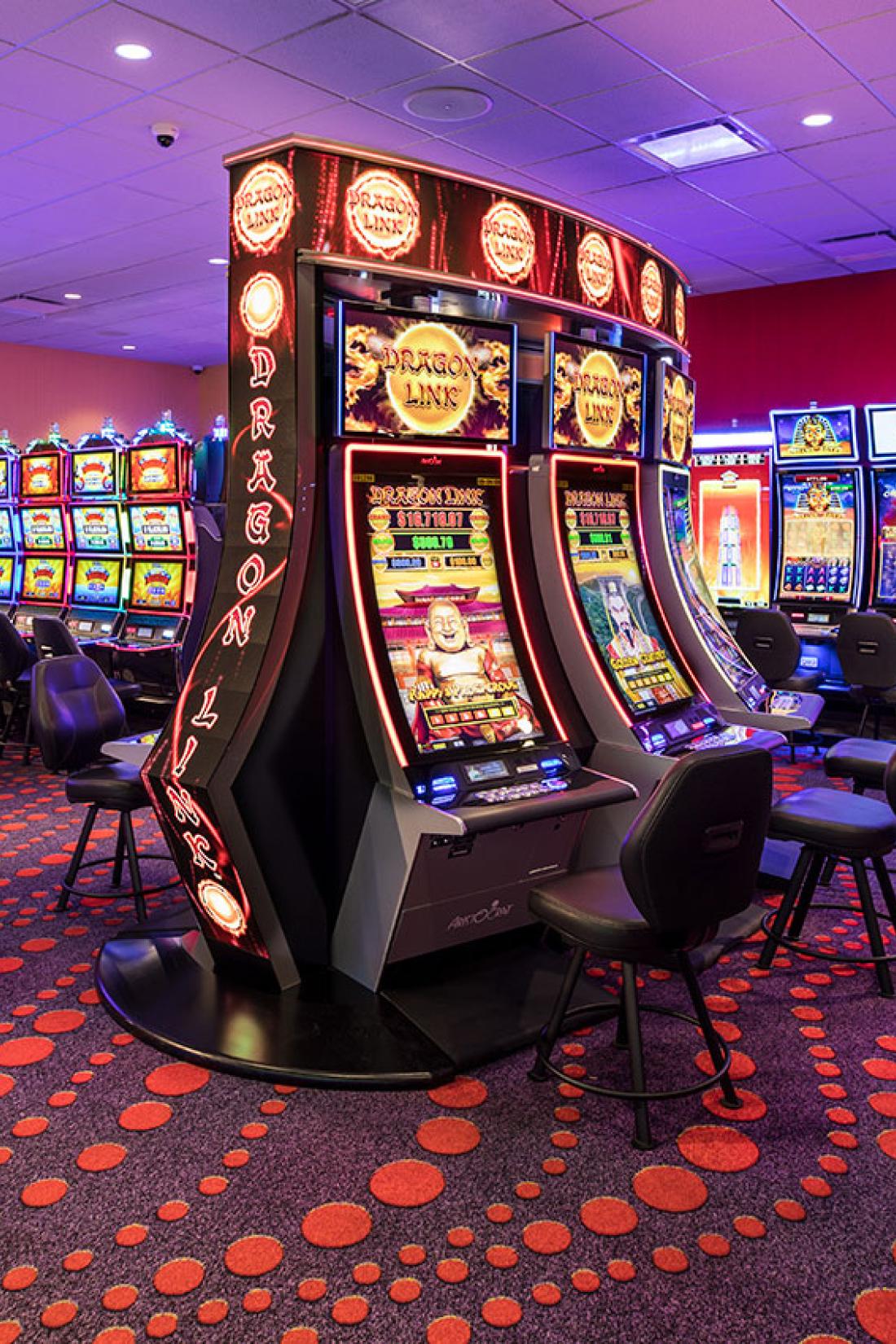
The psychological effects of gambling are multifaceted and complex, often rooted in the thrill and excitement that comes with the act. Many people are attracted to gambling because it offers a sense of escape from reality. This temporary relief can be enticing, allowing individuals to immerse themselves in a different world. Casinos like Casoola harness this allure by creating vibrant environments filled with lights, sounds, and opportunities, thus encouraging players to engage with games that can easily become addictive. The Casoola casino in United Kingdom exemplifies this exciting atmosphere.
Additionally, the social aspect of gambling cannot be overlooked. Gambling often occurs in a communal setting, allowing individuals to bond over shared experiences. This social interaction adds a layer of enjoyment, as people celebrate wins together or provide support during losses. Casoola casino, for instance, offers an engaging platform where players can chat and connect, enhancing the overall experience and making it more compelling for users.
The thrill of risk-taking also plays a significant role in why individuals are drawn to gambling. The unpredictable nature of games like roulette or blackjack creates a rush of adrenaline that many find exhilarating. This emotional high can lead to a desire to chase further wins, creating a potentially harmful cycle. Understanding these psychological motivators is crucial for both players and operators, emphasizing the importance of responsible gambling practices.
The Dark Side: Psychological Risks of Gambling
While gambling can be a fun activity, it also has a darker side that can lead to various psychological issues. Many gamblers experience anxiety, depression, and stress, especially when faced with losses. This emotional turmoil can create a vicious cycle, as individuals may gamble to escape their negative feelings, only to exacerbate their problems. Such patterns can lead to a significant decline in mental health, affecting relationships, work, and overall well-being.
Furthermore, gambling addiction, or compulsive gambling, is a serious concern that affects millions worldwide. This condition is characterized by an overwhelming urge to gamble, even in the face of severe consequences. Those struggling with gambling addiction may experience feelings of guilt and shame, and it can lead to financial ruin. Insights from casinos like Casoola highlight the importance of recognizing these risks and providing resources to support responsible gambling habits.
Support systems are vital in addressing these psychological risks. Many casinos, including Casoola, have begun to implement measures to promote safer gambling behaviors. These include offering self-exclusion programs, providing information on responsible gambling, and establishing hotlines for those needing help. By taking proactive steps, the gambling industry can contribute to reducing the prevalence of gambling-related psychological issues and fostering a healthier gaming environment.
The Role of Reward Mechanisms in Gambling Psychology
The psychology of gambling is heavily influenced by reward mechanisms that stimulate the brain’s pleasure centers. Every win, no matter how small, triggers the release of dopamine, a neurotransmitter associated with pleasure and reward. This biological response reinforces the behavior, encouraging players to continue gambling in hopes of recapturing that euphoric feeling. Casinos like Casoola capitalize on this phenomenon by designing games that maximize these rewarding experiences.
Understanding these reward mechanisms sheds light on why individuals can become addicted to gambling. The intermittent reinforcement schedule, where wins are unpredictable, creates a sense of anticipation that is highly engaging. This unpredictability makes each spin of the slot machine or turn of the card a thrilling experience, fostering a desire to keep playing. The excitement of potential rewards can often cloud judgment, leading to excessive gambling.
To combat the potentially harmful effects of these reward systems, it is essential for players to establish personal limits and recognize their triggers. Casinos can further contribute to this effort by implementing features that allow players to set spending limits and receive reminders of their playtime. By fostering an awareness of these psychological dynamics, both players and casino operators can work together to promote a healthier approach to gaming.
The Importance of Responsible Gambling Initiatives
Responsible gambling initiatives are crucial in addressing the psychological impact of gambling. These programs aim to educate players about the risks associated with gambling while promoting safe practices. Casinos, including Casoola, are increasingly implementing strategies to encourage responsible behavior, such as providing informational resources and conducting awareness campaigns.
One of the key components of responsible gambling is ensuring that players can recognize the signs of problem gambling. Education on how to identify these symptoms can empower individuals to seek help before the situation escalates. Many casinos offer workshops and training sessions for staff, enabling them to better assist customers in recognizing when they may need support.
Moreover, collaboration with mental health organizations enhances the effectiveness of responsible gambling initiatives. By partnering with professionals in the field, casinos can develop resources that address the psychological aspects of gambling. These partnerships can lead to the creation of helplines, support groups, and therapy options, making it easier for players to access the help they need when facing gambling-related challenges.
Exploring the Casoola Experience: A Responsible Gambling Perspective
Casoola casino exemplifies a modern approach to online gambling by prioritizing player safety and responsible gaming. By incorporating various responsible gambling tools, Casoola strives to create a balanced gaming environment that respects individual limits while allowing for enjoyment. Users can take advantage of features that promote self-control and awareness, such as setting deposit limits and monitoring their playtime.
Furthermore, Casoola’s commitment to player education cannot be overstated. The casino regularly updates its content to include the latest information on responsible gambling practices. By fostering an environment of awareness and support, Casoola enhances its reputation as a responsible operator in the online gaming industry, paving the way for other casinos to follow suit.
In conclusion, understanding the psychological effects of gambling is vital for both players and operators. Casinos like Casoola are setting a benchmark for responsible gaming by implementing initiatives that prioritize mental health and support. Through continuous education, proactive measures, and community engagement, the gambling industry can work towards a healthier future for all involved.

