BeAtlanta

Understanding the psychological pull of gambling at casinos
Understanding the psychological pull of gambling at casinos
The Thrill of Uncertainty
The psychological allure of gambling at casinos often begins with the thrill of uncertainty. The unpredictability of outcomes creates a unique excitement that draws individuals into the gaming environment. Players experience an adrenaline rush when they place a bet, with the possibility of winning amplifying their emotional engagement. For those looking to explore the best opportunities, our resource includes a list of top betting sites that meet varied preferences. This thrill is akin to a roller coaster ride, where the highs and lows create a rollercoaster of emotions that keeps players coming back for more.
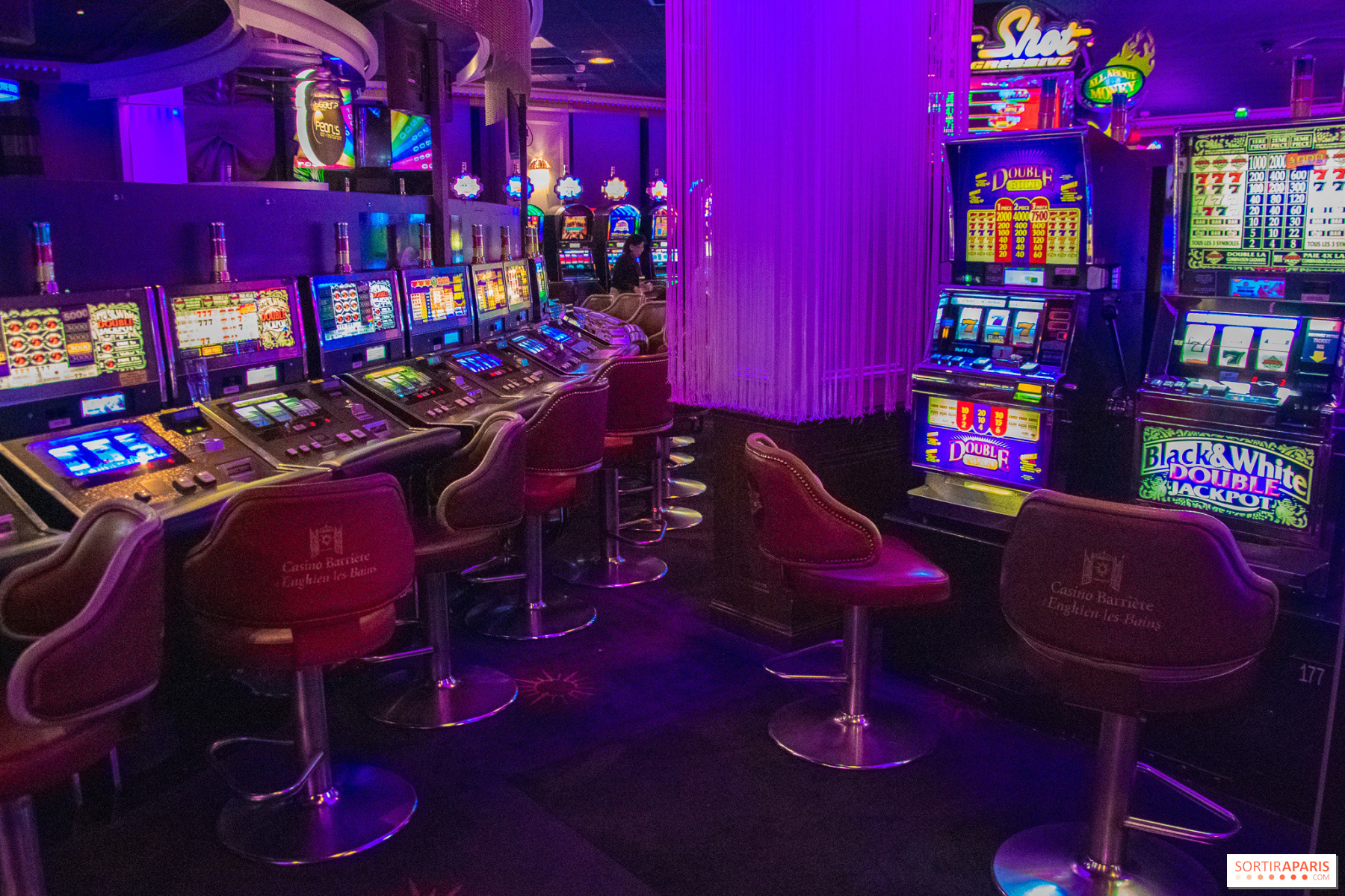
Moreover, the casino environment is designed to heighten this excitement. Bright lights, vibrant colors, and engaging sounds create an immersive atmosphere that stimulates the senses. This sensory overload contributes to a state of heightened arousal, making it easy for individuals to lose track of time and their financial limits. This environment serves as a psychological trap, enticing players to gamble more as they seek that initial rush they first experienced.
Compounding this is the concept of intermittent reinforcement, a psychological principle that explains how unpredictable rewards can create addictive behavior. Gamblers may experience a series of losses followed by a significant win, reinforcing the desire to continue playing despite potential risks. This cycle of hope and excitement reinforces their attachment to the gambling experience, as they chase the elusive next big win.
The Role of Social Interaction
Casinos also provide a rich social environment, which can further enhance the psychological appeal of gambling. The chance to interact with other players fosters a sense of community and belonging that many individuals find appealing. This social aspect can create a supportive network among gamblers, amplifying the thrill of the game. The shared experiences, whether winning or losing, can foster friendships and camaraderie that contribute to the overall enjoyment of the gambling experience.
Additionally, social gambling often encourages participants to take more risks than they might when gambling alone. The influence of peers can push individuals to make bolder bets, leading to an escalation of gambling behavior. The presence of others can create a competitive atmosphere where individuals want to showcase their skills or luck, often leading them to chase losses or exceed their typical limits.
Furthermore, casinos often host events or tournaments that promote a sense of excitement and encourage social interactions. These events can draw in large crowds and create a festive environment that makes gambling more appealing. The combination of social engagement and competition can result in prolonged gambling sessions, further enhancing the psychological grip that casinos have on their patrons.
Loss Aversion and the Gambler’s Fallacy
Psychological phenomena such as loss aversion and the gambler’s fallacy significantly contribute to the behavioral patterns observed in casino gambling. Loss aversion refers to the tendency for individuals to prefer avoiding losses over acquiring equivalent gains. This psychological bias makes gamblers more likely to continue playing after a loss, hoping to recover their previous losses. This behavior can lead to a dangerous cycle where the desire to win back lost money overshadows rational decision-making.
The gambler’s fallacy, on the other hand, is the mistaken belief that past events affect future probabilities in independent random events. Many gamblers believe that if a particular outcome has occurred several times in a row, it is less likely to occur again, or vice versa. This cognitive distortion can lead to illogical betting decisions and a false sense of security. Understanding these psychological concepts can shed light on why individuals persist in gambling, even when faced with consistent losses.
These cognitive biases are often exploited by casinos through various means, such as games with misleading odds or the design of slot machines that encourage players to believe they are close to winning. By creating a false sense of confidence, casinos can keep players engaged longer and encourage them to spend more money. Recognizing these psychological traps is crucial for anyone looking to maintain control over their gambling habits.
The Design of the Casino Environment
The design and layout of a casino are meticulously crafted to keep gamblers engaged and spending money. Casinos use strategies such as the placement of machines, the absence of clocks, and the arrangement of amenities to create an environment where time and money lose their significance. By eliminating time cues and providing easy access to food and drink, casinos aim to create a space where players feel comfortable and less inclined to leave.
The physical layout is also designed to encourage exploration, with various games and attractions enticing players to move from one area to another. This journey through the casino can lead to increased spending as gamblers are exposed to more opportunities to play and win. The juxtaposition of high-stakes games with low-cost options also invites gamblers of all levels, encouraging them to try different games and continuously engage with the casino experience.
Moreover, casinos often employ trained staff to create a welcoming atmosphere, further enhancing the experience. Friendly dealers, attentive waitstaff, and interactive gaming options can all contribute to a pleasant environment that fosters continued play. This combination of strategic design and attentive service plays a significant role in the psychological draw of gambling at casinos, making them more than just places to wager money.

Conclusion: Understanding the Pull of Gambling
Understanding the psychological pull of gambling at casinos requires an appreciation of both the emotional and environmental factors at play. From the thrill of uncertainty and social interactions to cognitive biases and strategic design, the elements that draw individuals to gamble are multifaceted. Recognizing these aspects can help individuals make informed decisions about their gambling habits and develop a healthier relationship with gaming.
As awareness of the psychological aspects of gambling grows, resources and strategies for responsible gambling become increasingly crucial. Establishing limits, seeking support, and prioritizing self-awareness can empower individuals to enjoy gambling responsibly. Ultimately, understanding the psychological pull of casinos can pave the way for a more balanced and enjoyable gaming experience, free from the pitfalls of addiction.

